June 19, 2026
Mosquito control is crucial for safeguarding outdoor living spaces. As natural havens for relaxation and community gatherings, these spaces should be free from the nuisance and health threats posed by mosquitoes. With effective mosquito management, outdoor areas become healthier, ensuring that friends and family can enjoy the environment without worrying about bites or diseases. The significance of mosquito control extends beyond comfort; it plays a vital role in public health by reducing the transmission of potentially deadly diseases. Property owners can optimize their yards by proactively addressing breeding environments, ensuring long-term safety and regular comfort during the peak warm seasons.
Understanding Environmental Breeding Habits
The lifecycle of mosquitoes encompasses four distinct stages: egg, larva, pupa, and adult. Each stage requires specific conditions and durations to transition to the next, contributing to their adaptability and persistence. Eggs often hatch within a few days when exposed to water, leading to the larval stage, where mosquito larvae are commonly called wrigglers due to their movement. Mosquitoes, particularly in their larval and pupal stages, are sensitive to environmental factors like temperature and humidity, which accelerate their development under favorable conditions. Understanding these stages allows for targeted control measures, disrupting their lifecycle efficiently before they become biting adults.
Mosquitoes thrive in environments that offer abundant standing water, essential for breeding. Natural habitats such as marshes, ponds, and flood-plains, as well as artificial containers like flowerpots and gutters, are common breeding grounds. These habitats provide the perfect conditions for the early stages of mosquito development. Effective mosquito control entails eliminating or managing these breeding spaces to significantly curtail mosquito populations. The complexity of these habitats demands a comprehensive understanding of both natural and artificial breeding locations to implement effective control measures and maintain pristine outdoor living areas throughout the year.
Analyzing Seasonal Population Dynamics
The population dynamics of mosquitoes are significantly influenced by seasonal variations. Warmer months, typically spring and summer, see heightened mosquito activity due to favorable climatic conditions. Conversely, during colder seasons, mosquito activity decreases as many species enter diapause. Climate change has shifted these seasonal patterns, sometimes extending the mosquito season into autumn. Acknowledging these seasonal influences helps develop timely and effective mosquito control strategies tailored to specific periods of increased activity, allowing families to retain full use of their patios, decks, and backyards without interruption.
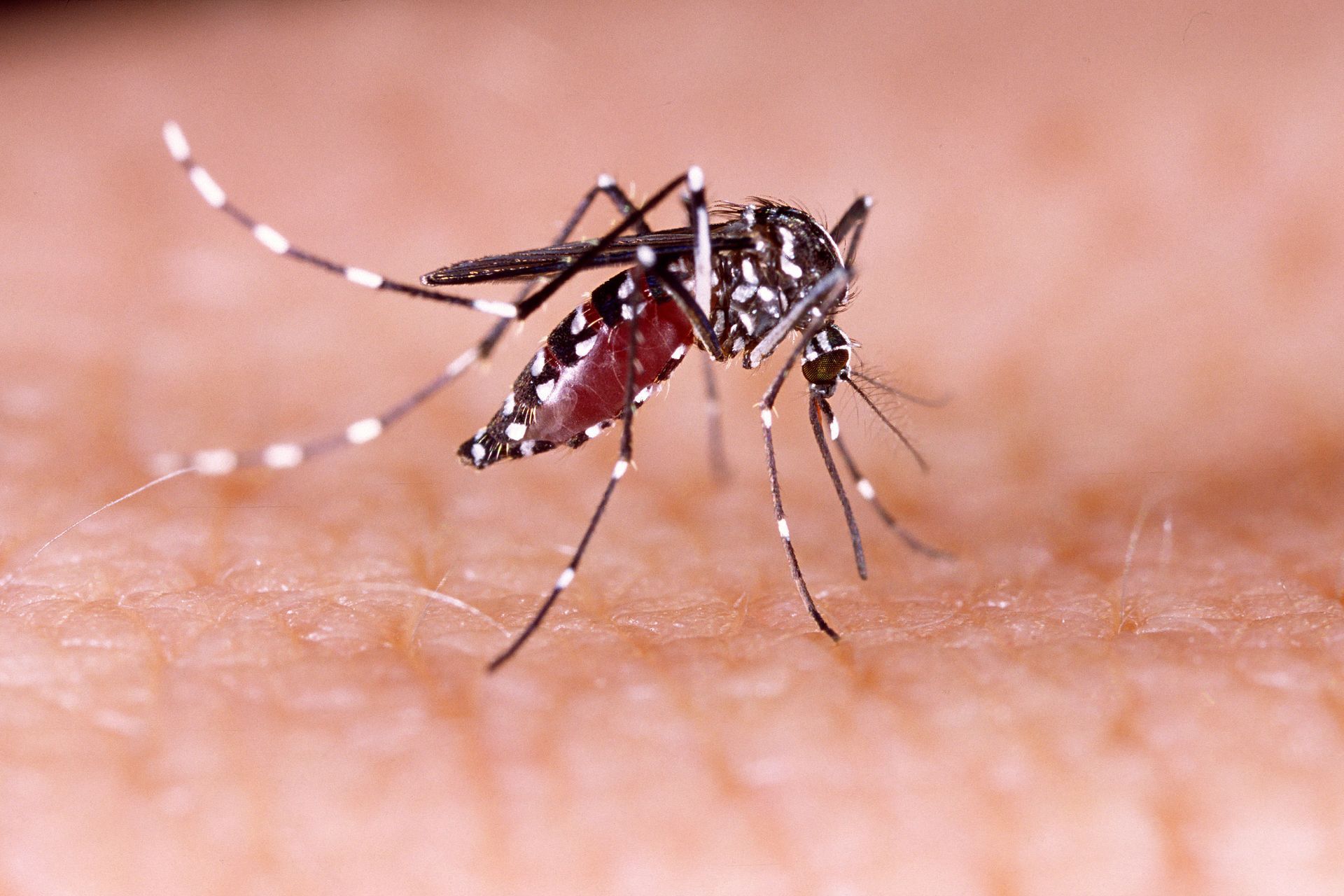
Various mosquito species have adapted to different environments worldwide, with some being more notorious for their disease-transmitting capabilities. Aedes aegypti and Aedes albopictus are well-known for spreading diseases like dengue fever, Zika virus, and chikungunya. In contrast, the Anopheles mosquitoes are infamous for spreading malaria. Control strategies often target these specific species, prioritizing areas and methods that effectively reduce their populations. Comprehensive mosquito control requires identifying which species are prevalent in an area and tailoring interventions accordingly to safeguard human health and improve daily comfort.
Evaluating Climate Related Influences
Climate profoundly influences mosquito populations by affecting their habitat and lifecycle. Rising temperatures and increased precipitation can expand mosquito breeding grounds, leading to population booms. As warmer climates become more prevalent globally, regions previously devoid of significant mosquito threats may experience surges in mosquito-borne diseases. In contrast, prolonged dry spells may limit breeding opportunities, potentially reducing populations. Understanding these climate impacts is crucial for long-term planning and implementing flexible mosquito control measures adapted to changing environmental conditions over extended seasonal cycles.
Mosquitoes are renowned vectors of numerous infectious diseases, transmitting pathogens that can lead to severe health issues. They are the primary carriers of malaria, dengue fever, Zika virus, and West Nile virus, affecting millions globally each year. These diseases can cause debilitating conditions, and in some cases, are lethal, particularly in tropical and subtropical regions where mosquitoes thrive. Preventing and controlling mosquito populations play a vital role in reducing the spread of these diseases. Effective mosquito control can thus significantly decrease the incidence and burden of mosquito-borne diseases on public health.
Managing Severe Health Liabilities
While mosquito bites are a common nuisance, they can also lead to allergic reactions in some individuals. The proteins in mosquito saliva trigger the body's immune response, causing itching, swelling, and redness. Severe reactions can include blistering or larger welts, along with secondary infections from excessive scratching. Sensitivities vary among individuals, with children often experiencing more pronounced reactions. Managing mosquito populations helps minimize these adverse health effects, enhancing comfort and well-being in outdoor settings so that outdoor gatherings remain pleasant and completely safe.
Children and pets are particularly vulnerable to the adverse effects of mosquitoes due to prolonged outdoor exposure. Young children are more susceptible to mosquito-borne diseases and may experience more severe symptoms. Similarly, pets can suffer from mosquito-borne illnesses like heartworm, which poses serious health threats. Ensuring outdoor spaces are free from mosquitoes provides a safer environment for both children and pets to play and explore. Moreover, reducing mosquito exposure helps prevent potential health complications associated with these pests, giving parents total peace of mind.
Reviewing Ecological Control Methods
Eco-friendly mosquito control methods emphasize sustainable approaches that minimize environmental impact. Biological control techniques use natural predators or pathogens to reduce mosquito populations. For example, introducing fish such as Gambusia, which feed on mosquito larvae, into ponds is an effective strategy. Additionally, specific bacteria such as Bacillus thuringiensis israelensis (Bti) target mosquito larvae without harming other wildlife. These strategies align with environmental conservation goals by promoting biodiversity while controlling mosquito populations and preserving the natural integrity of localized residential ecosystems.
Natural repellents offer an eco-friendly alternative to chemical-based solutions, creating a less toxic environment. Essential oils from plants like citronella, eucalyptus, and lemongrass effectively repel mosquitoes. These natural solutions can be applied topically or diffused into the surrounding air. Besides being environmentally friendly, they reduce the potential for adverse health effects often associated with synthetic chemicals. Widespread use of natural repellents contributes to lower mosquito populations while ensuring safe and enjoyable outdoor experiences for families hosting weekend events, barbecues, and celebrations.
Implementing Modern Tech Innovations
The emergence of insecticide-resistant mosquito strains poses a significant challenge to traditional control methods. Overuse of chemical insecticides has led to the development of resistance, reducing their effectiveness. Addressing this issue involves research and investment in new chemical formulations and technologies. Integrated pest management programs focus on rotating different control strategies to minimize resistance. Innovations such as biological pesticides and genetically modified mosquitoes offer promising alternatives to chemical reliance, shifting the industry toward highly sophisticated and targeted deployment methodologies.
Technological advancements have led to the development of smart traps and devices for mosquito control. These devices utilize sensors and data analysis to identify and capture mosquitoes effectively. Some smart traps can differentiate between mosquito species, enabling targeted control efforts. Additionally, integrating smart traps with mobile apps provides real-time updates on mosquito activity, enhancing monitoring and response strategies. Such innovations improve the efficiency and precision of mosquito control efforts by leveraging technology to stop breeding cycles before infestations spread across neighborhoods.
Securing Long Term Valuation
Effective mosquito control enriches the quality of outdoor living spaces, enhancing experiences for individuals and communities. By reducing mosquito presence, outdoor areas become more inviting and enjoyable. In turn, these enriched outdoor experiences contribute to physical and mental well-being, promoting healthier lifestyles while keeping community members safely protected from vector-borne risks.
According to ConsumerAffairs, invasive brown marmorated stink bugs caused 37 million dollars in losses to the nation's apple harvests during a single year. While different from mosquitoes, this highlights how invasive insects alter ecosystems and property value. Homeowners and real estate investors recognize the correlation between effective mosquito control and property value enhancement. Properties with well-managed outdoor spaces tend to have higher market desirability. Implementing mosquito control demonstrates a commitment to maintaining secure and pleasant environments, boosting property appeal. Over time, this proactive management can lead to appreciable increases in property values, benefiting both current owners and prospective buyers looking for premium homes.
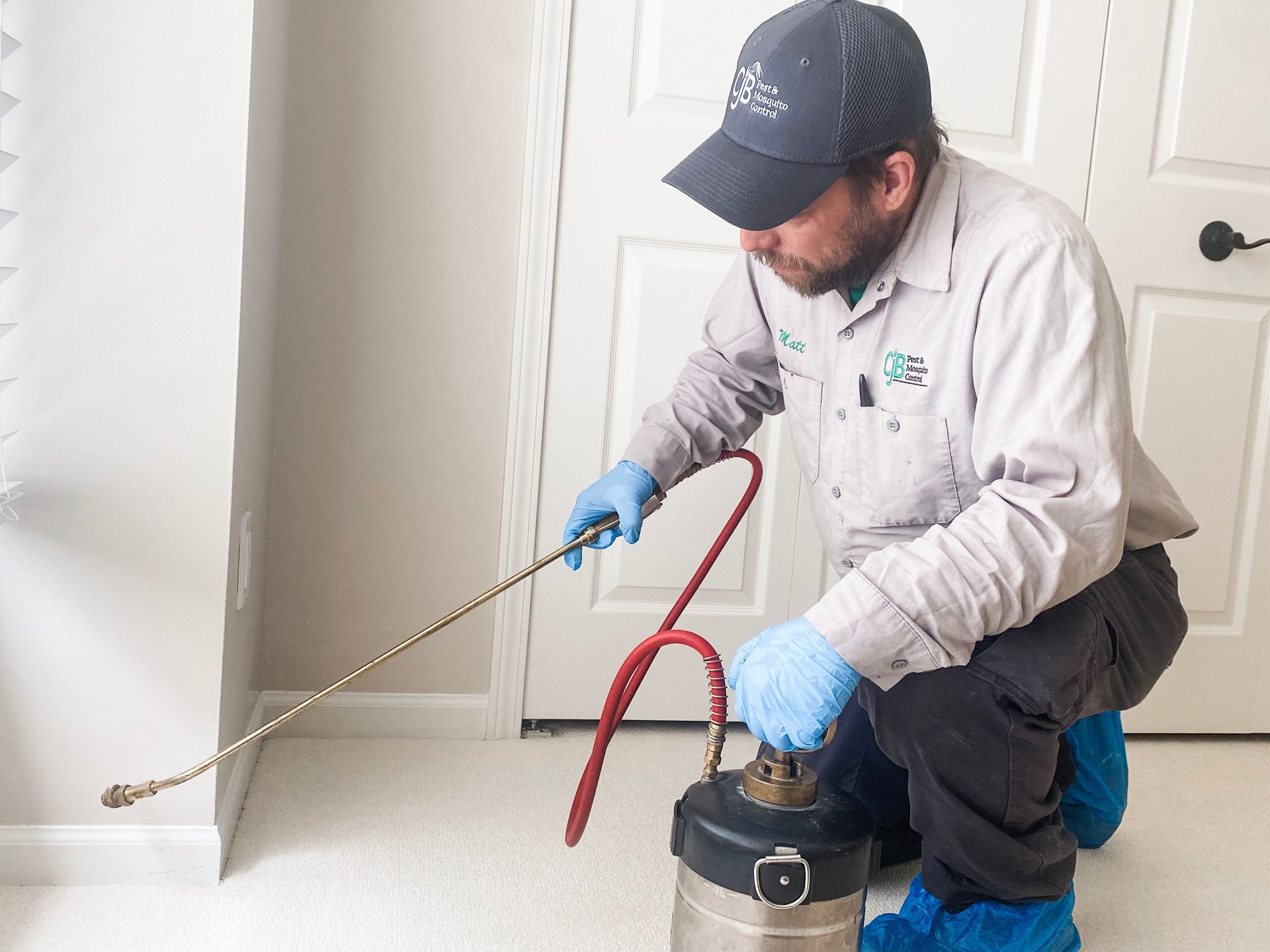
Effective mosquito control is a multifaceted approach that enhances outdoor living spaces' quality and safety. By understanding mosquito populations and exploring eco-friendly methods, both individuals and communities can implement effective strategies. Innovations in technology and community initiatives further support these efforts, making mosquito control more accessible and successful. Professional providers offer reliable, comprehensive maintenance programs that deliver rapid results for property owners looking to reclaim their yards. Ultimately, comprehensive mosquito management promotes healthier, more enjoyable outdoor experiences for everyone, and you can secure your yard by contacting CJB Pest & Mosquito Control today.