October 13, 2026
Scratching behind a wall, damage around a roof opening, or repeated activity near a foundation can interrupt the normal use of a property. Those signs may involve different animals and different parts of the building, making the situation difficult to understand from a single observation. Identifying the animal and the affected area gives the removal work a specific starting point, with the response shaped by the conditions found there.
Professional wildlife removal services connect that assessment with removal, exclusion, and prevention suited to the animal involved. Mice and rats may require population control within a building, while squirrels or chipmunks can create concerns around attics, access points, or outdoor areas. Understanding how these services work together gives property owners a clearer basis for addressing current activity and reducing opportunities for its return.
Recognize Activity That Deserves Professional Assessment
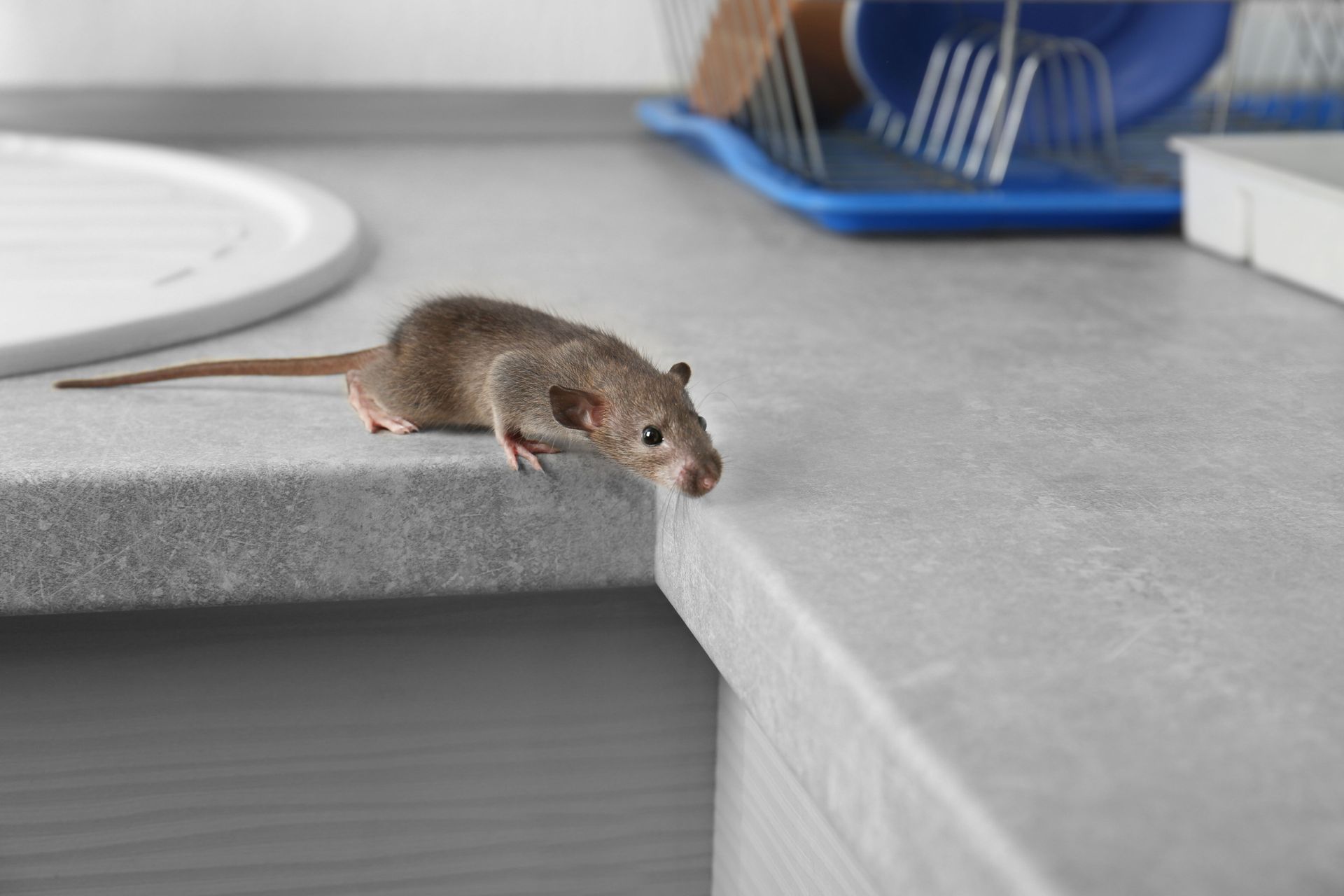
Rodent problems affect many households, even when the first sign seems isolated. According to Pest Control Technology, 11.6% of households across the country report rodent issues annually. A scratching sound or damaged material deserves attention because it may reflect activity beyond the location where the first sign was noticed. The important question is what the evidence reveals about the animal, the affected area, and the activity still taking place.
Different signs can point toward different concerns: mice and rats may leave droppings, gnawing damage, or evidence of food contamination inside a building. Squirrel activity can affect attic insulation and nearby wiring, making the location of the damage useful to the assessment. Chipmunks and groundhogs may create burrowing concerns around outdoor structures or landscaped areas. The technician considers the combination of signs when identifying the animal and the extent of activity. Describing where and when activity has been noticed helps the technician connect the owner's observations with conditions found on the property.
Connect the Evidence With Entry Points and Shelter
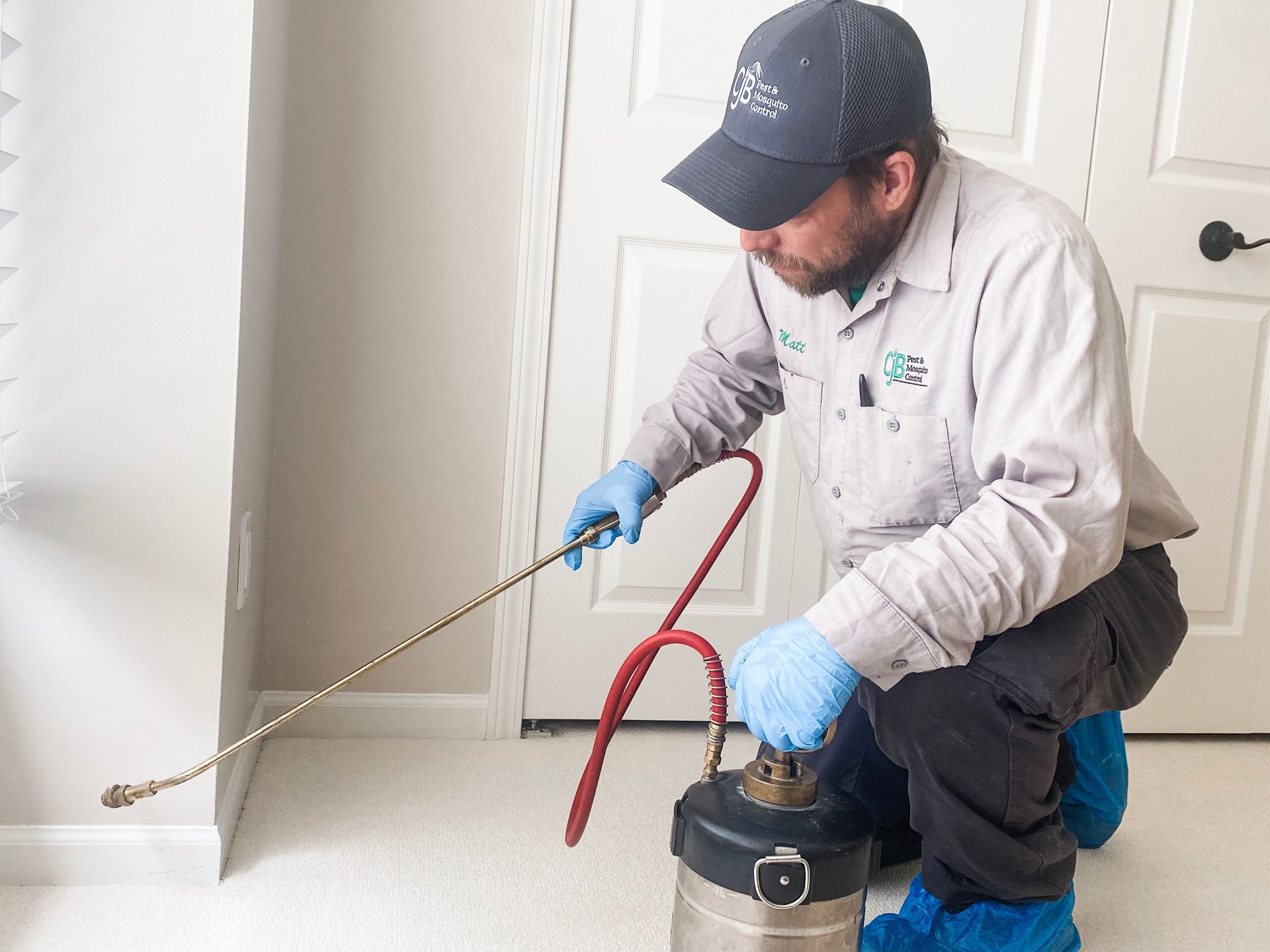
A professional inspection considers how an animal reaches the affected area and what allows it to remain there. Foundations, rooflines, vents, and utility openings can provide places to examine for vulnerabilities. Inspections for wildlife removal services connect access questions with signs of nesting, hiding areas, and movement through the property. The inspection can also consider attractants that help explain why the animal remains near the property.
This distinction matters because a sighting in one room may be connected to an opening elsewhere in the building. The inspection can identify the relationship between observed activity and the access areas that require attention. Written findings and customized recommendations give the property owner an explanation of what was discovered and the work proposed in response. They also help distinguish an active removal need from an entry-point concern or an attractant that supports continued activity. The plan can then address the population present, the access routes being used, and conditions that attract continued activity.
Residential and commercial inspections can focus on different patterns of use. A home may have activity near stored food or an attic, while a commercial space may involve storage areas and access routes associated with daily operations. Identifying the affected locations helps shape where control and exclusion work should be directed. The building's use belongs in the assessment alongside the animal's behavior.
Select Removal Methods for the Animal Involved
The removal approach depends on the species, the location of activity, and the conditions established during assessment. Mice control can involve strategic trapping, while rat control may combine trapping with professionally managed baiting systems. Squirrels and chipmunks require approaches suited to their movement and the areas they occupy.
Professionals providing wildlife removal services use those findings to select measures suited to the animal's behavior and the affected area.
Humane removal is relevant to squirrel activity, while chipmunk and groundhog services may include trapping suited to those animals. The work is directed toward current activity while accounting for the features of the property around it. A burrowing animal near a patio presents a different situation from a squirrel using an attic opening or mice moving through interior spaces. Professional handling allows those conditions to influence the strategy. The proposed approach can be explained in relation to the identified animal, the area it occupies, and the evidence of current activity.
Reduce Access Through Professional Exclusion
Entry-point work addresses the openings that allow animals to reach protected spaces. Sealing vulnerable access areas with materials selected to resist gnawing and weathering helps address those routes. Exclusion work within wildlife removal services connects identified activity with the parts of the structure that need protection. A roofline opening used by squirrels and a foundation vulnerability associated with mice may call for attention in different locations.
The value of exclusion comes from addressing the routes identified during the property assessment. Removing current animals and closing relevant openings contribute different parts of the response, and the work needs to account for both. Wildlife-related repairs may address damaged entry points where they contribute to continued access. The intended outcome is a property with fewer opportunities for re-entry, supported by measures appropriate to the building and the animals involved.
A damaged access point can involve more than an open gap. If wildlife has disturbed the surrounding building material, the proposed exclusion work may need to account for that damage as part of blocking entry. The service discussion can explain how the repair relates to the opening and what portion of the affected area it addresses.
Address Attractants and the Effects of Activity
Food, shelter, and other conditions around a property can influence continued rodent activity. Professional recommendations may address attractants associated with indoor infestations or outdoor burrowing problems. Sanitation recommendations are relevant to rat control, while chipmunk management can include attention to food sources and hiding areas around the property. These findings help explain why prevention involves the surroundings as well as the animal's immediate location.
Rodents can affect insulation, building materials, and wiring, while burrowing can create concerns near patios or foundations. Damage assessment helps identify those effects and the recommendations that follow. Squirrel-related cleanup can include contaminated insulation, while wildlife work may also involve sanitization of affected areas. These tasks are considered in relation to the activity and contamination identified during the assessment. Cleanup addresses the affected space, and entry-point repairs address access, giving each part of the work a defined role after removal.
Evaluate Progress and Plan Continued Attention
Monitoring provides information about activity after control measures have been put in place. Technicians can evaluate whether signs continue in the locations already addressed or whether another area needs attention. As wildlife removal services progress, follow-up visits help relate new signs to control measures already in place. The findings can guide further control work or attention to access points associated with continuing activity.
The appropriate service arrangement depends on the problem and the prevention needs identified. One-time services and ongoing maintenance options can support different situations, with monitoring considered as part of the proposed approach. Findings about remaining activity and exclusion needs help explain why follow-up attention may be recommended. The arrangement can be discussed in relation to the property's conditions and the control measures already in place. Monitoring is most useful when its findings guide the attention given to remaining activity or newly identified vulnerabilities.
Restore a More Manageable Property
Uncertain signs become more useful when they are connected to an identified animal and a clear response. That understanding gives property owners a practical basis for addressing the problem and the conditions around it. At CJB Pest and Mosquito Control, our wildlife removal services connect animal removal with exclusion and prevention suited to the property. Contact us to discuss an assessment of your rodent concerns.