August 18, 2026
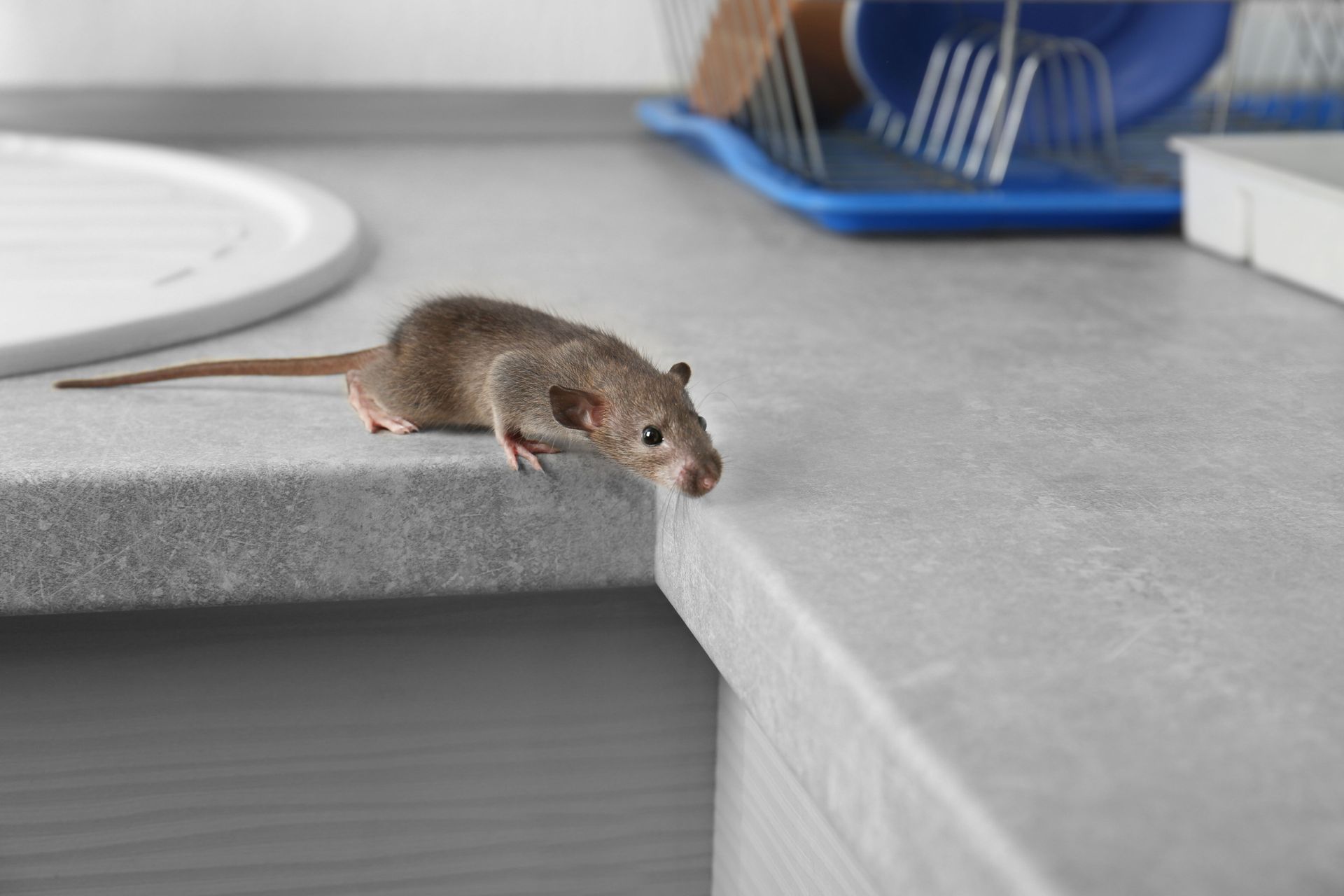
Has your home been infested with a troublesome pest? It's a situation that can feel hopeless. However, professional rodent control services offer comprehensive solutions to eradicate and prevent rodent infestations in homes and businesses. Let's delve into the expectations one should have when utilizing such services, covering the comprehensive procedures, significant benefits, and precautionary measures involved.
Initial Consultation and Inspection
Scheduling the Consultation
Setting up an initial consultation is an essential first step in the rodent control process. This involves contacting a professional service and arranging a convenient time for a technician to visit the property. Efficient scheduling is crucial to address any urgency related to rodent sightings or property damage. Homeowners should be prepared to provide detailed information about their observations to assist the technicians in their preliminary assessments. A well-timed consultation helps in planning a strategic approach to mitigate further damage caused by the rodents.
Conducting a Thorough Inspection
A thorough inspection is critical to identify the extent of the infestation. During this process, technicians inspect potential entry points, nesting sites, and food sources. Using their expertise, they can spot signs of rodent activity that untrained eyes might miss. This stage is crucial to tailor a control plan based on the specific needs of the property. Inspectors document their findings, which form the basis for the subsequent action plan, ensuring all areas of concern are addressed.
Identifying Signs of Infestation
Identifying signs of infestation is a specialized skill that technicians hone through experience. These signs can include droppings, gnaw marks, and oily rub marks along walls and fittings. Rodents often leave tracks along established pathways, which can be detected on close examination. Noise from rodents, especially in attics or behind walls, can also indicate active infestation areas. Notably, the presence of a few telltale signs often points to a more extensive hidden population, underscoring the need for professional insight.
Assessing Structural Vulnerabilities
Rodent control services will assess structural vulnerabilities that could allow rodents access to a building. Factors such as gaps in doors, unsealed vents, and compromised walls are examined for potential entry points. Such vulnerabilities are prevalent and can significantly contribute to infestations if not addressed promptly. According to HomeGuide, while completely sealing all home entry points can take up to three days, addressing these vulnerabilities is critical in reducing the potential for future infestations. This assessment helps in formulating a comprehensive plan to bolster structural defenses against rodents.
Customized Treatment Plans
Understanding Species-Specific Behaviors
Different rodent species exhibit unique behaviors that influence the effectiveness of control measures. A nuanced understanding of these behaviors is vital for customizing treatment plans. For instance, mice and rats have different nesting habits and dietary preferences, which affect how and where treatments are applied. Rodent control services leverage this to predict rodent movements and tailor interventions accordingly. Recognizing these distinctions optimizes the success of eradication efforts, reducing the variables that can derail the control process.
Selecting Appropriate Treatment Methods
The selection of treatment methods is guided by the nature and severity of the infestation. Chemical treatments, while effective, need to be complemented with mechanical and environmental strategies for holistic control. Non-chemical methods like traps and exclusion techniques are crucial, especially in sensitive environments. Professionals weigh various options, balancing immediate effectiveness with long-term sustainability. The goal is to employ an approach that eradicates the current infestation and reduces future risks.
Considering Environmental and Safety Factors
Ensuring safety and environmental integrity is paramount during rodent control interventions. Technicians prioritize the use of environmentally friendly products and adhere to guidelines that protect non-target species. The safety of humans and pets is also carefully considered, with treatments designed to minimize exposure risks. Clear communication with property owners about safety measures strengthens trust and satisfaction. Commitment to environmental stewardship enhances the value of professional services, aligning with broader ecological and public health goals.
Setting Short-Term and Long-Term Goals
Establishing short-term and long-term goals helps define the trajectory of rodent control efforts. Short-term goals focus on immediate reduction of rodent activity and visible signs of infestation. Long-term goals involve measures to prevent re-infestation, emphasizing sustained property maintenance and monitoring. Collaboration between clients and technicians is crucial in aligning these goals with realistic timelines and expectations. Setting these objectives provides clarity and direction to the entire intervention process.
Implementation of Control Measures
Utilizing Chemical and Non-Chemical Solutions
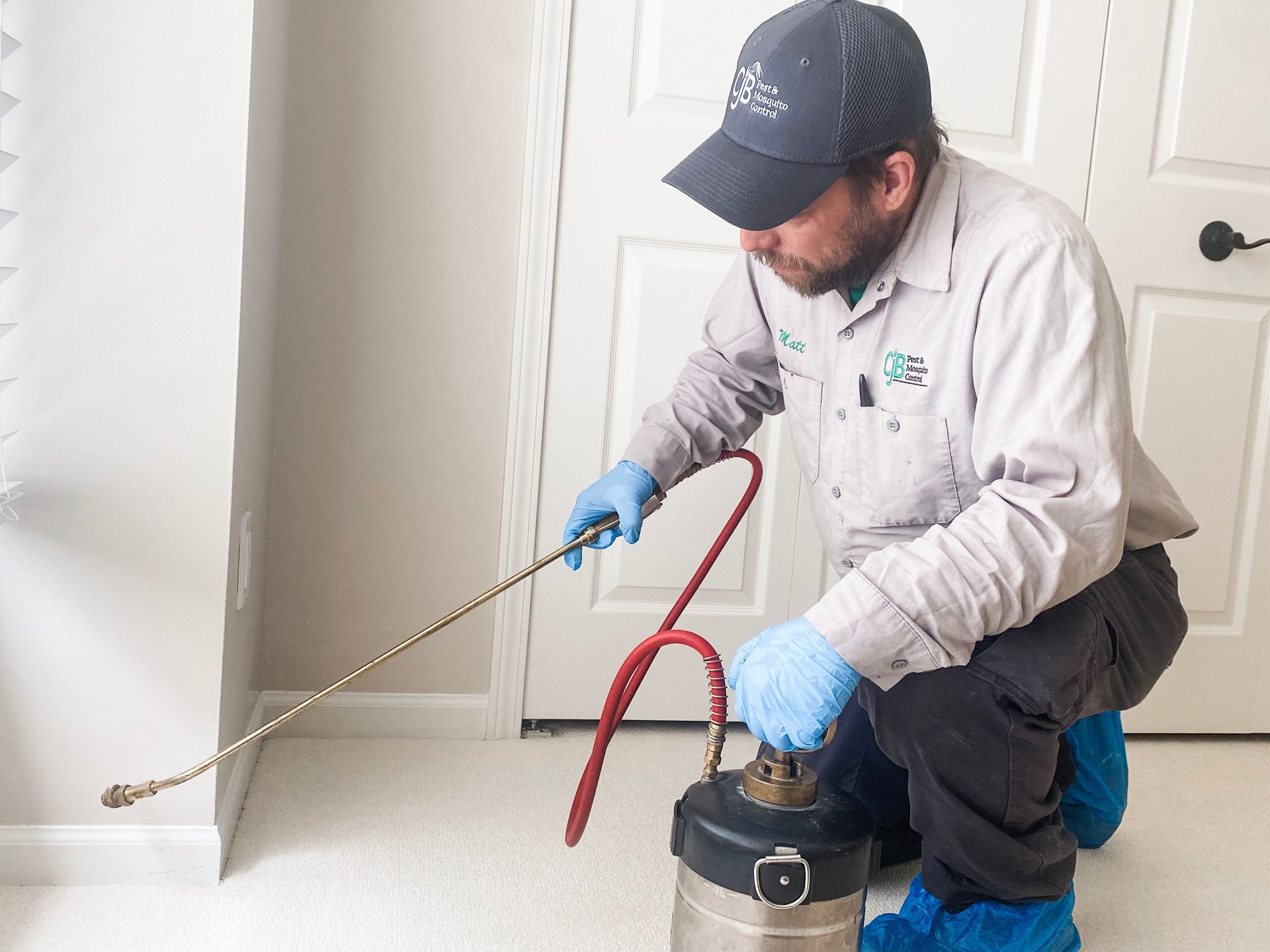
The implementation phase often involves a blend of chemical and non-chemical solutions to maximize efficacy. Chemicals are used judiciously, focusing on high-impact areas to target active populations effectively. Non-chemical solutions, such as traps and barriers, supplement these efforts, offering a multi-faceted approach. By leveraging different strategies, rodent control services ensure a comprehensive coverage that addresses immediate issues and long-term prevention. This balance reduces the environmental footprint of eradication efforts while maintaining high standards of control.
Procedures for Safe Bait and Trap Placement
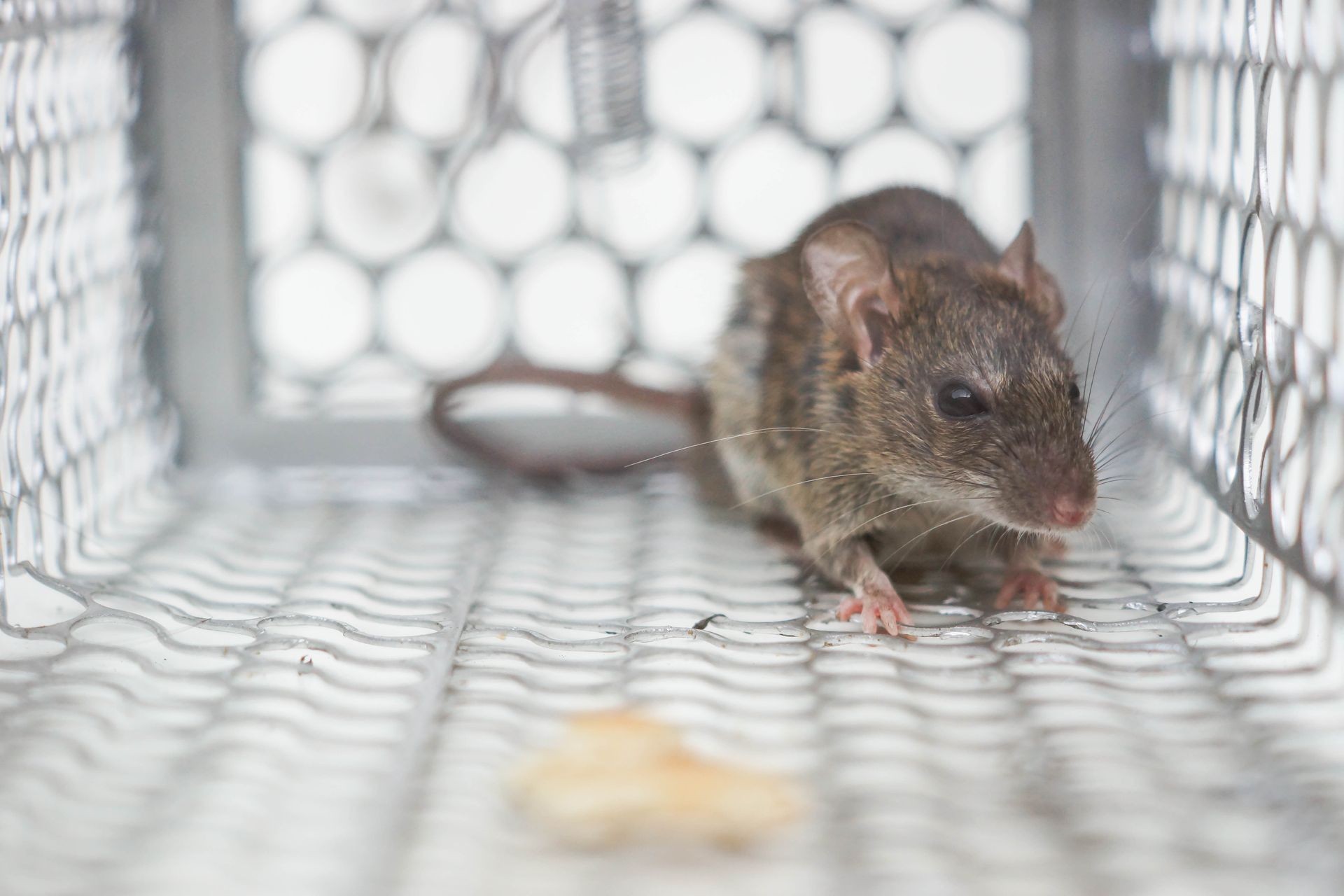
Placing baits and traps efficiently and safely is a crucial part of rodent control. Techniques involve strategic positioning to intercept and target rodent pathways, enhancing capture rates. Professionals are skilled in using different trap types, optimizing setups to ensure maximum efficacy. Safety is paramount, with precautions taken to protect children, pets, and non-target wildlife from unintended exposure. By adhering to these procedures, rodent control services demonstrate their commitment to effective and responsible practices.
Monitoring and Follow-Up Visits
Scheduling Regular Inspections
Regular inspections form the foundation of an effective rodent management program, ensuring that control measures remain effective over time. Scheduled follow-ups offer an opportunity to reassess conditions, identifying any new activity or structural changes. Consistent monitoring is crucial as it allows early detection of potential issues, preventing them from escalating. Technicians provide routine updates and evaluate the effectiveness of applied solutions. This ongoing attention is a testament to the commitment of professional services to provide lasting and comprehensive pest control solutions.
Analyzing Effectiveness of Treatments
The effectiveness of rodent control treatments is assessed continuously through rigorous analysis. This involves evaluating the reduction in rodent activity and the success of traps and baits. Professionals also consider client feedback and visual inspections to gauge progress. Such analysis is critical to determining if adjustments are required in the control strategy. By doing so, rodent control services can refine their methods, ensuring optimal results and satisfaction.
Making Necessary Adjustments
Effective rodent control requires adaptability, with necessary adjustments made in response to changing conditions. Whether it involves repositioning traps or tweaking bait formulas, professionals focus on achieving persistent control over the infestation. Such flexibility is key to addressing unique and evolving challenges, ensuring that strategies remain aggressive and responsive. Homeowners are kept informed of these adjustments, providing them a clear understanding of ongoing efforts. This continuous improvement philosophy underpins successful long-term rodent management.
Maintaining Communication With Clients
Communication is a cornerstone of professional rodent control services, crucial in maintaining a collaborative relationship with clients. Regular updates ensure that property owners are informed and engaged throughout the process. Feedback from clients contributes valuable insights that guide strategic decisions and adjustments. Open lines of communication build trust and transparency, essential qualities for effective partnerships. This relational approach enhances the overall experience, contributing to client satisfaction and retention.
Professional rodent control services not only address immediate infestation issues but also provide sustainable solutions and peace of mind through expert advice and monitoring. With comprehensive procedures, customized treatment plans, and ongoing education, these services equip property owners with the necessary tools and support to maintain rodent-free environments. To get started with a service you can rely on, reach out to CJB Pest & Mosquito Control today.