September 14, 2026
Ant invasions present a persistent challenge for homeowners across the region, demanding swift professional intervention to protect living spaces. The primary difficulty stems from an ant colony's ability to multiply rapidly, establish complex nesting structures, and create resilient foraging pathways throughout a property. Experienced local exterminators address these widespread pest infestations by employing specialized treatment strategies designed to deliver immediate relief and dependable long-term protection.
Professional pest management goes far beyond basic surface sprays, offering a complete strategy that identifies concealed nesting sites, neutralizes breeding queens, and reinforces physical property barriers. By gaining a thorough understanding of unique insect behaviors, trained technicians adapt their control methods to match the specific layout, construction style, and surrounding environment of every residence.
Analyze Complex Colonies
Ant behavior is remarkably organized, making these crawling insects particularly difficult to eliminate without specialized professional expertise. Common household species, including pavement ants, odorous house ants, and carpenter ants, exhibit vastly different nesting preferences, foraging habits, and food choices. Correctly identifying the exact species invading a living space dictates the overarching strategy required for successful eradication. Foraging worker ants travel impressive distances from primary nests in search of moisture and food, leaving behind chemical pheromone trails for other colony members to follow. Knowledgeable local exterminators analyze these behavioral patterns to trace active foraging lines directly back to hidden nesting sites.
Disrupting the reproductive cycle and strict social hierarchy of the nest remains essential for complete pest elimination. Ants undergo a complete biological metamorphosis through egg, larva, pupa, and adult stages, with each distinct phase requiring specific control considerations during treatment application. Worker ants continuously gather resources to nourish developing larvae and sustain the egg-laying queen, whose primary function involves expanding the colony population. Simply eliminating visible surface foragers does little to reduce the overall population if the queen remains safe inside wall voids. Targeted professional treatments focus directly on destabilizing this central hierarchy, ensuring the entire social structure collapses from within.
Inspect Vulnerable Areas
Thorough home inspections serve as the foundation for building an effective pest eradication strategy. The initial evaluation begins with an in-depth consultation to gather critical property details regarding past pest activity, frequent sighting locations, and previous control efforts. Maintaining clear communication between the property owner and the service technician guarantees that every problematic or high-risk zone receives dedicated focus during the assessment. Experienced technicians carefully evaluate structural vulnerabilities, moisture accumulation near plumbing fixtures, and accessible food sources that naturally draw unwanted pests into living areas.
Following the preliminary discussion, detailed physical inspections cover both interior living areas and exterior surroundings to pinpoint hidden entry pathways. Technicians examine foundation expansion joints, window frame gaps, door weather stripping, and utility line penetrations where foraging insects typically gain access. Accurately assessing infestation severity requires evaluating trail density, foraging frequency, and structural moisture levels that foster optimal nesting environments. Dependable local exterminators utilize these findings to establish the exact scope of treatment required, determining whether a single targeted application or an ongoing protection program is necessary.
Select Targeted Methods
Modern pest control practices emphasize eco-friendly treatment options that prioritize family and pet safety while maintaining maximum operational effectiveness. Specialized natural insecticides, botanical formulations, and targeted application techniques offer robust pest management without leaving harsh chemical residues inside living quarters. Certified technicians select specific treatment products based on the identified species, infestation severity, and unique household dynamics. Utilizing environmentally responsible solutions ensures that indoor air quality remains protected while active pest populations are safely and thoroughly eliminated.
Strategic baiting protocols form an essential core component of modern eradication strategies. High-grade liquid and granular baits attract hungry worker ants, who unknowingly transport the slow-acting active ingredient deep into their central nest. This specialized transfer process ensures that the non-repellent product reaches hidden nesting chambers, eliminating developing larvae and the reproductive queen directly. When combined with physical exclusion work and targeted perimeter applications, professional baiting creates a comprehensive defense system. Skilled local exterminators customize these application methods to resolve active infestations safely and completely.
Apply Custom Barriers
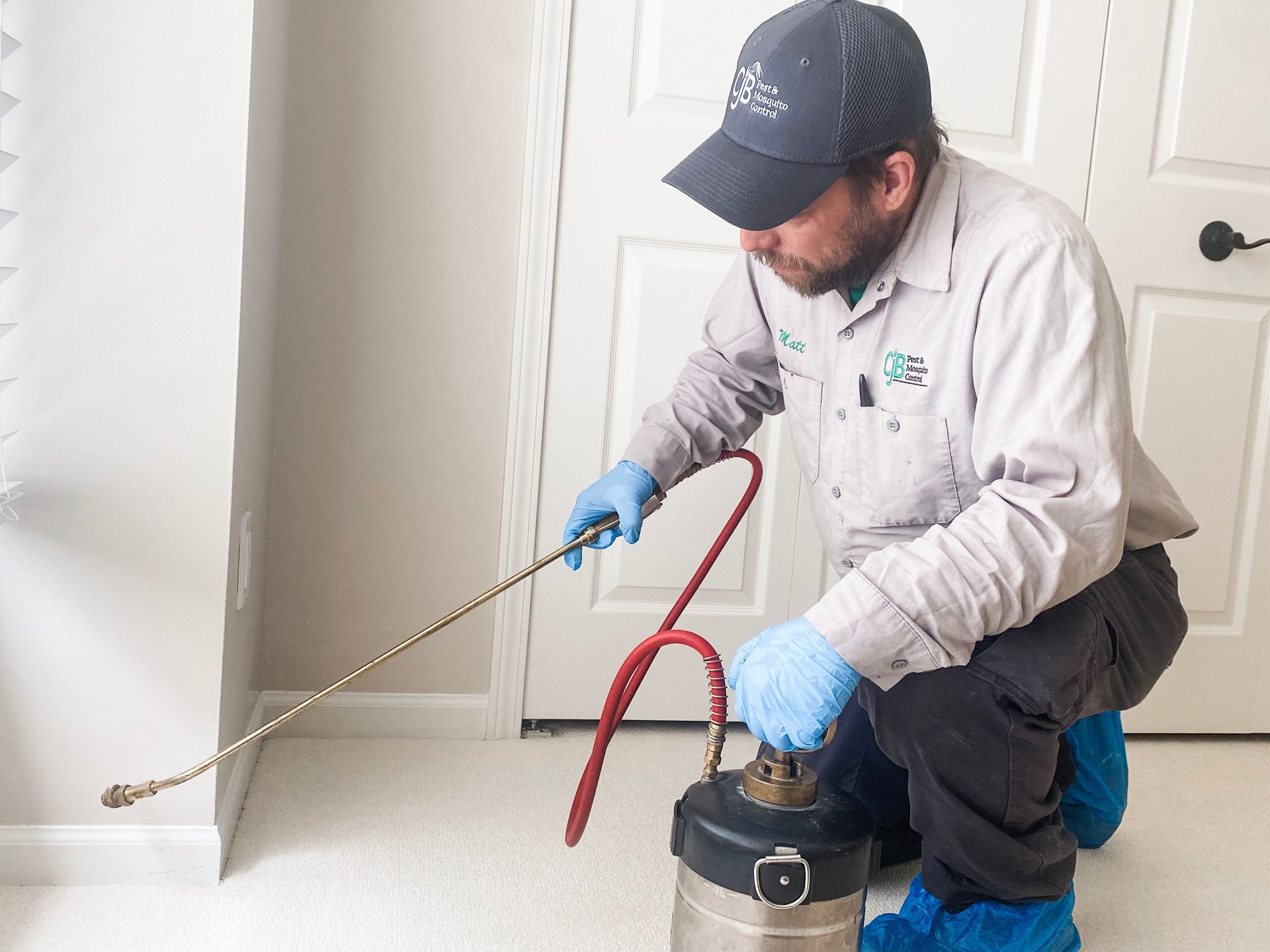
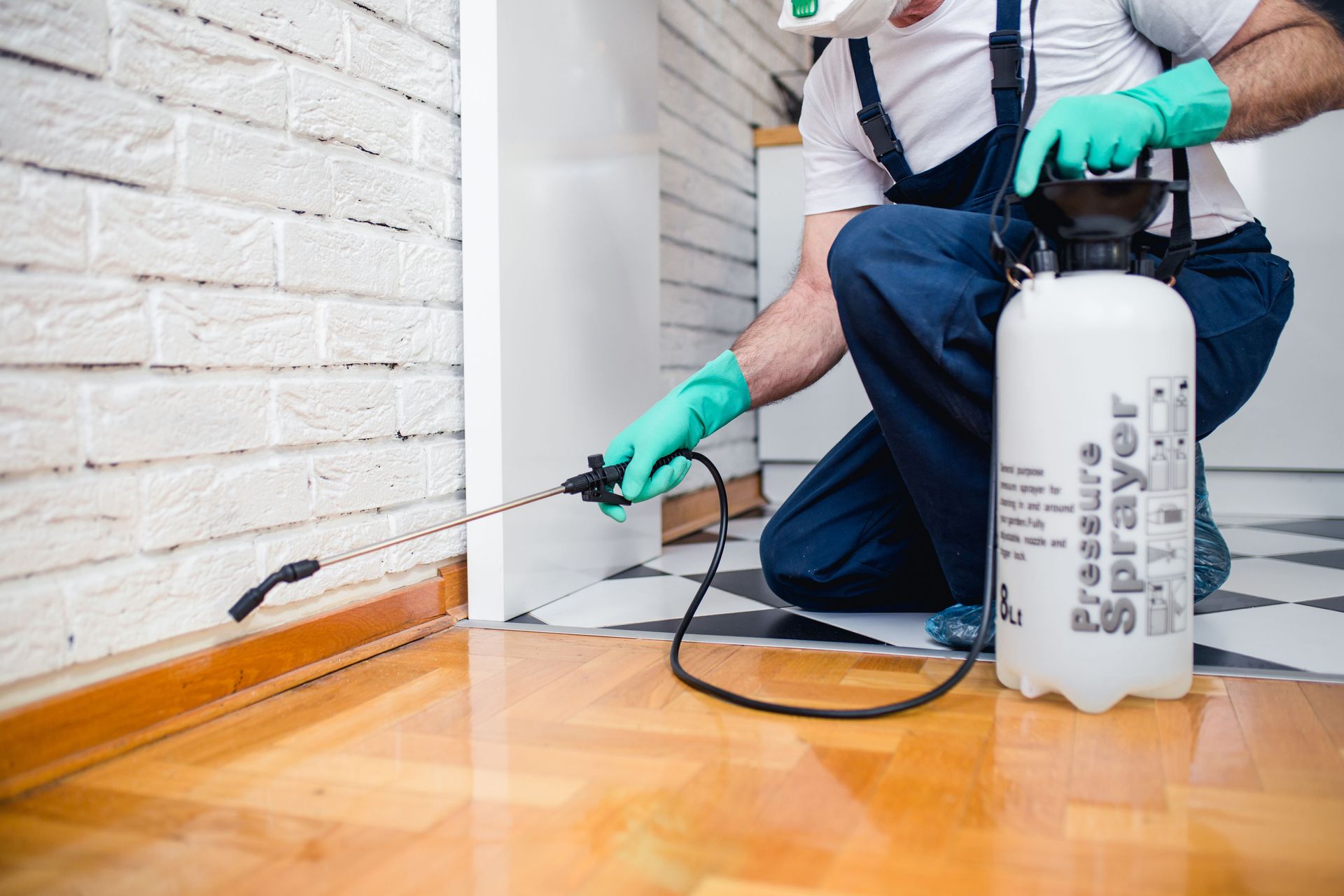
Interior treatment applications focus specifically on interrupting established foraging trails and securing interior living areas against ongoing activity. Technicians focus their efforts on high-activity zones such as kitchens, pantries, bathrooms, basements, and utility rooms where moisture and food crumbs naturally gather. Precise spot applications along floor cracks, wall crevices, and hidden spaces behind cabinetry stop foraging workers from establishing new pathways across countertops and floors. By establishing an immediate protective shield indoors, technicians suppress active indoor sightings and prevent insects from establishing secondary nesting sites inside wall cavities.
Exterior defensive applications remain equally vital for preventing outdoor colonies from migrating inside during changing weather conditions. Technicians apply durable perimeter barrier treatments along foundation bases, doorway thresholds, basement window wells, and adjacent landscape borders. These continuous defensive barriers deter crawling insects from approaching vulnerable structural entry points around the building exterior. Maintaining robust exterior protection keeps outdoor insect populations contained safely outdoors where they naturally belong. Seasoned local exterminators combine continuous exterior perimeter shields with comprehensive pest-proofing services to seal potential entry points tightly.
Monitor Ongoing Results
Continuous post-treatment evaluation ensures that applied pest solutions deliver reliable, lasting protection across all treated property zones. Technicians return to inspect strategic monitoring stations, measure trail reduction, and confirm that active colony activity has completely ceased. Early identification of surviving pest pockets allows for swift adjustments before new colonies can fully form or relocate. According to PestPac, ants are the most common type of infestation, with about 56% of households suffering infestations, highlighting the vital necessity of ongoing property monitoring. Diligent follow-up inspections ensure that minor pest sightings are resolved quickly before expanding.
Scheduled follow-up visits empower technicians to assess exterior protective barriers and adapt control tactics according to changing seasonal weather conditions. Shifting outdoor temperatures and heavy rainfall frequently drive outdoor pests to seek shelter indoors, making routine evaluations crucial for continuous defense. Reapplying perimeter barriers and refining bait placements ensures unbroken defense throughout every season of the year. Dedicated local exterminators maintain open communication with property owners, adjusting application protocols based on direct observations and environmental shifts.
Prevent Future Invasions
Homeowner education forms a vital cornerstone of successful, long-term structural pest management. Providing clear guidance regarding proper food storage, immediate spill cleanup, and effective moisture control empowers residents to maintain an uninviting environment for foraging insects. Simple daily practices, such as storing dry goods in airtight containers and repairing dripping plumbing fixtures, dramatically reduce attractants. Partnering directly with property owners ensures that professional control measures are supported by strong daily hygiene, creating an effective double layer of structural defense.
Sealing vulnerable structural entry points and enrolling in comprehensive maintenance plans offer total long-term peace of mind. Technicians identify small structural gaps around window frames, pipe penetrations, and foundation cracks, performing professional pest-proofing to block physical access. Scheduled seasonal maintenance programs guarantee that exterior perimeter barriers stay fresh, active, and fully defensive throughout the entire year. Proactive local exterminators deliver consistent, ongoing protection that halts seasonal invaders before they can ever cross the threshold into living areas.
Resolving persistent ant infestations requires a systematic, professional approach that unites biological expertise, detailed property inspections, targeted treatments, and proactive preventative care. Relying on specialized professional management ensures that pest issues are eliminated at their source rather than temporarily masked at the surface level. Through continuous property monitoring, exterior perimeter reinforcement, and structural pest-proofing, residential properties remain completely secure against seasonal pest pressures throughout the year.
Maintaining a comfortable, pest-free living space requires dedicated care, customized treatment plans, and dependable ongoing support. To protect your home and prevent recurring pest problems, count on our experienced team at CJB Pest & Mosquito Control.