June 15, 2026
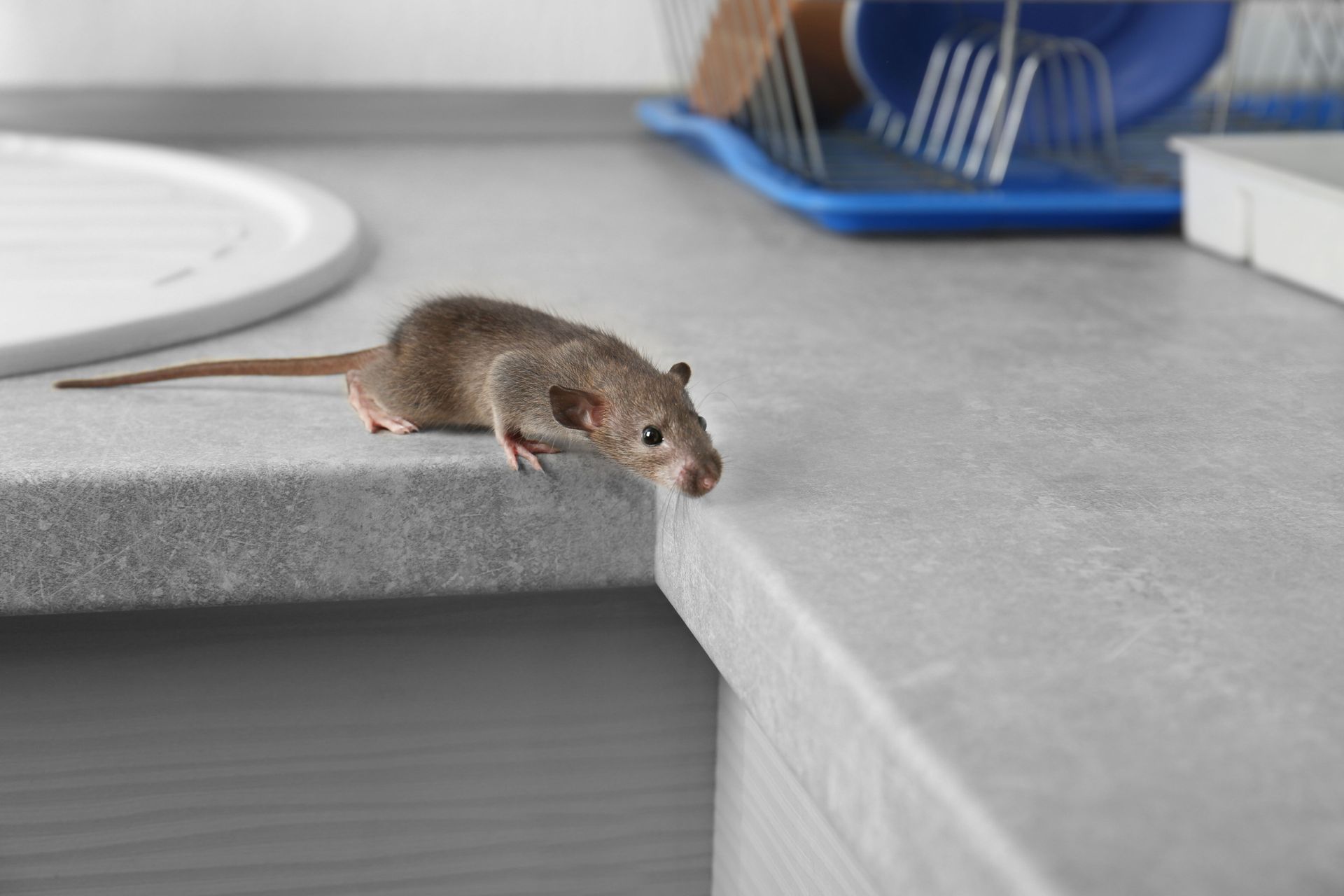
Pest problems rarely appear overnight, even though many homeowners first notice them when the situation already feels severe. Small changes in behavior, sounds in walls, or unusual droppings often signal the beginning of an infestation. Early detection is important because pests multiply quickly once they find food, water, and shelter inside a property. Professional exterminators are trained to recognize these early warning signs before the problem spreads further. They understand the habits of different pests, including rodents, insects, and stinging insects that often go unnoticed in the early stages. Homeowners may overlook subtle indicators, but trained specialists know where and how to inspect effectively. Identifying entry points, nesting areas, and feeding patterns allows faster intervention. This early diagnostic process is often the difference between a minor issue and a major infestation.
Inspecting Properties Thoroughly and Strategically
A detailed inspection is one of the most important steps in effective pest control. Professionals begin by examining both the interior and exterior of a property to locate signs of pest activity. They look for cracks in foundations, gaps around windows, damaged vents, and moisture-prone areas that attract pests. Attics, basements, crawl spaces, and kitchens are common hotspots that require careful evaluation. Skilled exterminators use experience and specialized tools such as moisture meters, flashlights, and inspection cameras to detect hidden infestations. They also assess landscaping conditions, since overgrown vegetation or standing water can encourage pest populations nearby. This structured inspection process ensures that no potential nesting site is overlooked. Once the inspection is complete, they can determine the severity of the infestation and plan targeted treatment strategies.
Identifying Pest Species Accurately for Effective Treatment
Correct identification of pest species is essential for selecting the right elimination method. Different pests require different approaches, and using the wrong treatment can worsen the problem. For example, ants, termites, rodents, and mosquitoes each behave differently and respond to specific control techniques. Professional exterminators are trained to distinguish between similar-looking species that homeowners might confuse. They analyze droppings, damage patterns, nesting materials, and movement trails to confirm the pest type. In some cases, they may collect samples for closer examination to ensure accuracy. Understanding pest biology allows them to predict reproduction cycles and behavior patterns. This knowledge is critical for choosing safe and effective treatments that target the root of the infestation.
Applying Targeted Treatment Methods Safely and Efficiently
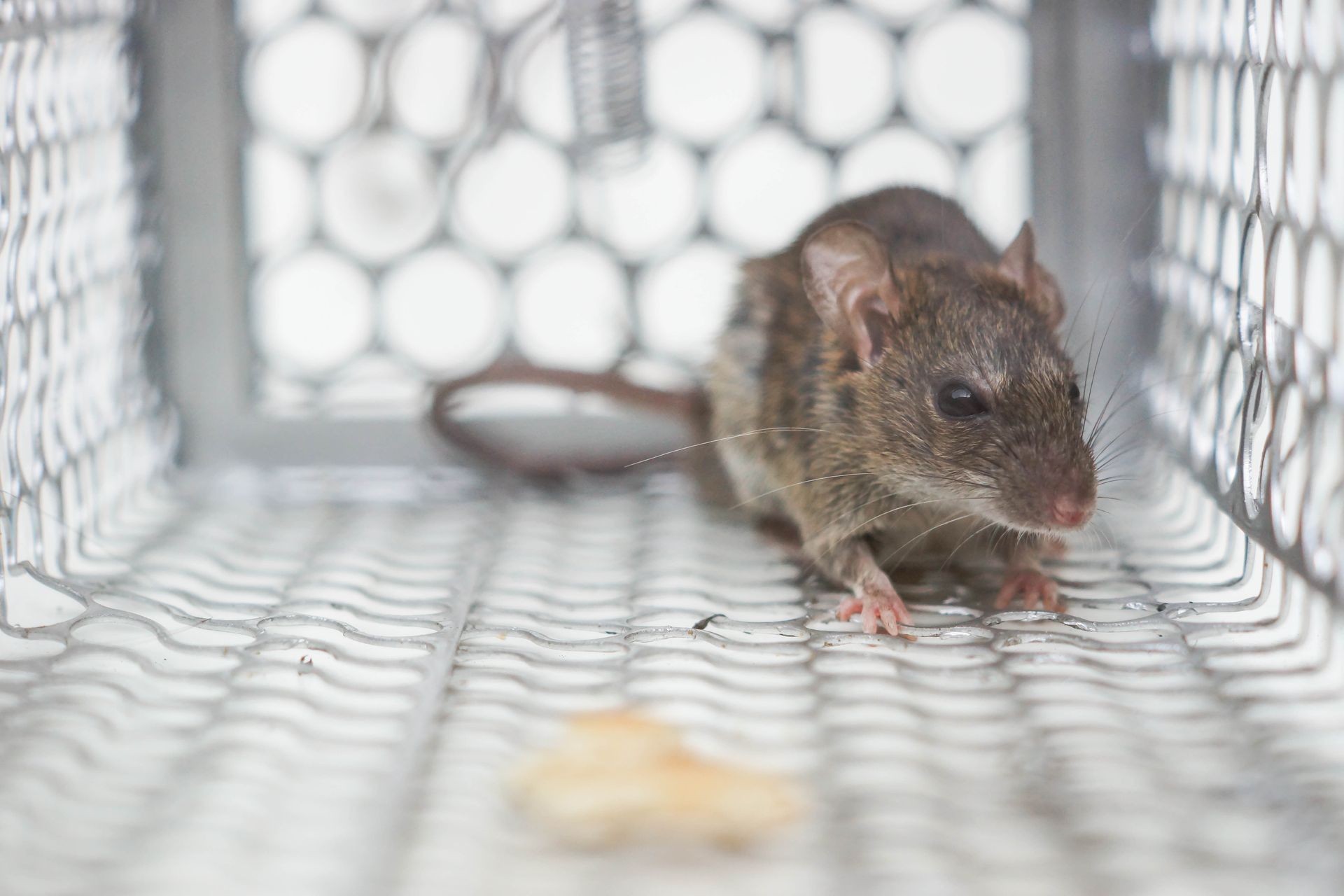
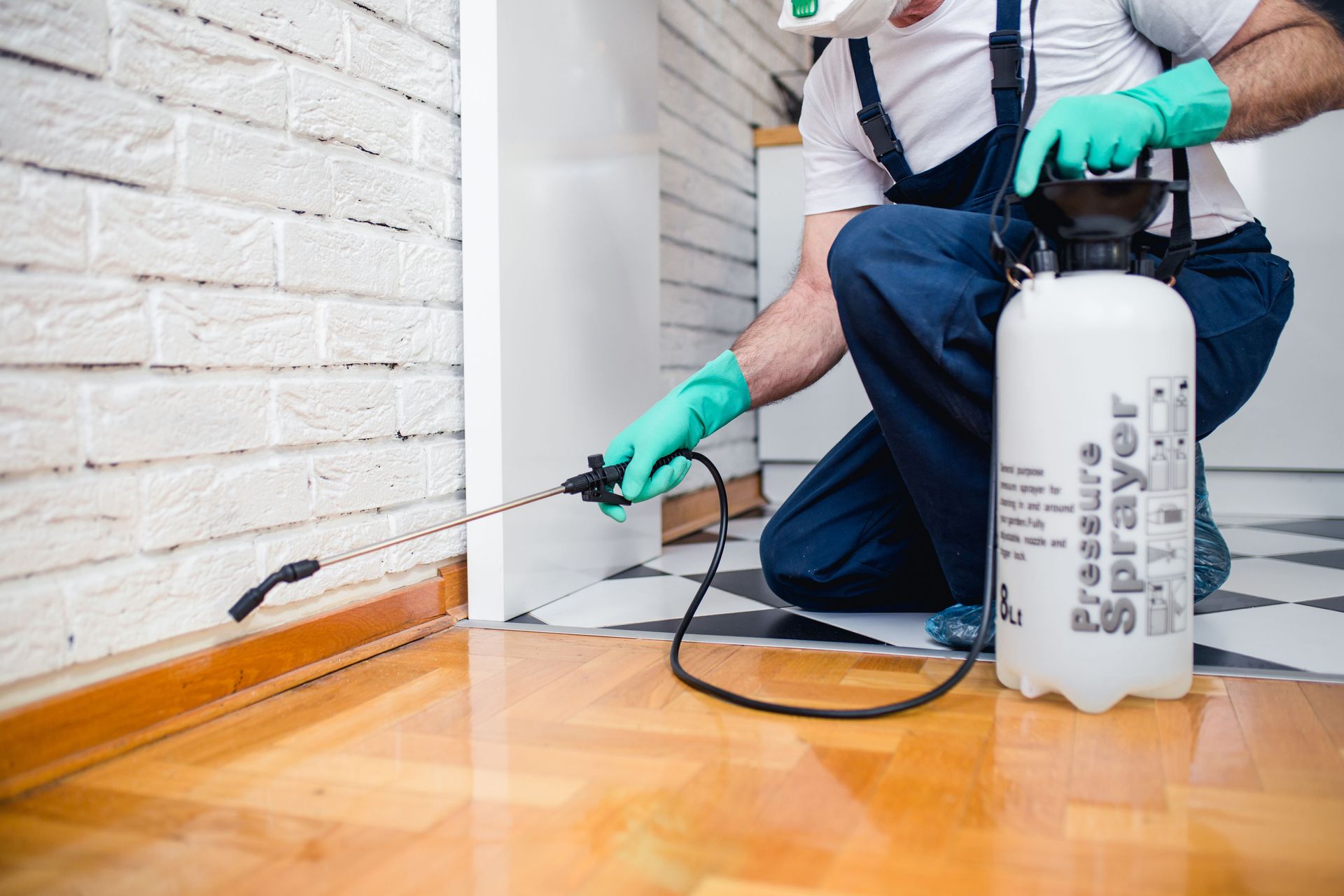
Once pests are identified, the next step involves selecting and applying the most effective treatment method. Professionals may use baiting systems, traps, sprays, or environmentally controlled solutions depending on the situation. Safety is always a priority, especially in homes with children or pets where exposure must be minimized. Modern pest control solutions are designed to be both effective and environmentally responsible. Exterminators ensure that treatments are applied in precise locations where pests are active rather than broadly spraying unnecessary areas. This targeted approach improves effectiveness while reducing chemical use. They also follow strict safety guidelines and industry regulations during application. The goal is not just to eliminate visible pests but to disrupt breeding cycles and prevent reinfestation.
Eliminating Mosquito Risks Through Advanced Control Strategies
Mosquito control is a critical part of pest management due to the health risks associated with their spread. Mosquitoes are not only a nuisance but also carriers of serious diseases that impact communities. According to Livingston County, MI, mosquito-borne viruses have hospitalized more than 100 people and resulted in several fatalities in Michigan as of April 2026, highlighting the severity of the threat. This makes prevention and control efforts extremely important in residential and public areas. Exterminators focus on eliminating breeding grounds such as standing water, clogged gutters, and poorly maintained landscaping. They also apply targeted treatments to reduce adult mosquito populations in high-risk zones. Long-term prevention strategies are often recommended to minimize future outbreaks. Effective mosquito control improves outdoor safety and overall community health.
Sealing Entry Points and Preventing Future Infestations
Preventing pests from re-entering a property is just as important as eliminating existing infestations. After treatment, professionals inspect the structure again to identify potential entry points. These may include cracks in walls, gaps under doors, damaged screens, or openings around utility lines. Sealing these areas helps block future access for pests seeking food or shelter. Exterminators often recommend repairs or improvements to strengthen structural defenses against reinfestation. Preventive measures may also include installing mesh barriers, improving drainage, or adjusting landscaping conditions. Homeowners are advised on maintenance habits that reduce pest attraction, such as proper waste storage and moisture control. These combined efforts create a long-term protective barrier around the property.
Educating Homeowners on Prevention and Maintenance Practices
Education plays an important role in long-term pest control success. Professionals often guide homeowners on how to reduce conditions that attract pests. This includes maintaining cleanliness, sealing food containers, and regularly inspecting storage areas. Moist environments are particularly attractive to pests, so fixing leaks and improving ventilation is essential. Exterminators also advise seasonal maintenance routines to prevent recurring infestations. Understanding pest behavior helps homeowners recognize early signs before problems escalate. Simple habits like removing standing water and trimming vegetation can significantly reduce pest activity. With proper education, homeowners become active participants in protecting their property from future infestations.
Utilizing Technology for Faster Pest Detection and Control
Modern pest control relies heavily on technology to improve accuracy and efficiency. Thermal imaging, motion sensors, and digital monitoring systems help professionals detect hidden pest activity. These tools allow exterminators to locate infestations without unnecessary disruption to the property. Data-driven approaches also help track pest patterns and predict future outbreaks. Technology enhances treatment precision by identifying high-risk areas more effectively. This reduces time spent on inspections and increases success rates for elimination. Advanced systems also help monitor long-term results after treatment has been completed. The integration of technology continues to improve speed and effectiveness in pest control services.
Responding Rapidly to Emergency Pest Situations
Some pest infestations escalate quickly and require immediate professional attention. Sudden appearances of rodents, wasp nests, or large insect colonies can create safety concerns for occupants. Rapid response teams are trained to assess urgent situations without delay and take control measures right away. The first step usually involves identifying the species and understanding how far the infestation has spread. This helps determine whether containment or direct elimination is needed first. In emergency cases, exterminators often prioritize sealing active entry points to prevent further intrusion while treatment is underway. Speed is critical because pests can multiply or become more aggressive when disturbed. Quick intervention helps restore safety and prevent property damage from worsening within a short period.
Ensuring Long-Term Protection and Property Safety
The final goal of professional pest management is long-term protection and peace of mind. After treatment and prevention measures are implemented, follow-up inspections ensure that pests do not return. Regular monitoring helps maintain a pest-free environment throughout the year. Exterminators often provide maintenance plans to address seasonal pest activity changes. These ongoing services are particularly important in areas prone to insects or rodents. Long-term protection also contributes to healthier living conditions and improved property value. Preventing infestations reduces structural damage and minimizes health risks associated with pests. A consistent prevention strategy ensures lasting results and stable protection.
Effective pest control depends on early detection, accurate inspection, and targeted treatment strategies. Professionals use advanced tools and proven methods to eliminate infestations quickly and safely. Prevention and education play a major role in maintaining long-term protection. Health risks associated with pests, especially mosquitoes, highlight the importance of timely intervention and ongoing monitoring.
Protect your home or business from unwanted pests with expert help from CJB Pest & Mosquito Control. Our experienced team delivers fast, effective, and reliable solutions designed to eliminate infestations and prevent them from returning.