July 14, 2026
Mosquitoes are more than just a seasonal annoyance. Their presence can make outdoor spaces uncomfortable and increase concerns about diseases they may carry. Many homeowners assume mosquitoes only breed in obvious locations such as ponds or marshes, but these pests often thrive in places that go unnoticed for weeks or even months.
Understanding where mosquitoes hide and reproduce is the first step toward reducing their populations around your property. Professional mosquito control services are designed to identify these overlooked breeding sites and address them before mosquito populations have a chance to explode. By targeting hidden problem areas, property owners can enjoy safer and more comfortable outdoor environments throughout the warmer months.
Warm temperatures and seasonal rainfall create ideal conditions for mosquito populations to expand rapidly around residential and commercial properties. Even small oversights in outdoor maintenance can lead to noticeable increases in mosquito activity within a short period of time. This makes early identification of risk areas an important part of keeping outdoor environments consistently manageable and comfortable.
Containers
One of the most common hidden mosquito breeding grounds is found in everyday containers around residential and commercial properties. Items such as flowerpots, buckets, wheelbarrows, birdbaths, watering cans, and children's toys can collect rainwater and create ideal conditions for mosquito larvae. Because mosquitoes require only a small amount of standing water to reproduce, even a neglected container can become a significant source of infestation.
Many property owners overlook these items because they seem harmless or are tucked away in less frequently visited areas. Water can remain stagnant for days or weeks, providing mosquitoes with everything they need to complete their life cycle. In some cases, homeowners may not even realize that containers are holding water until mosquito populations become noticeably larger.
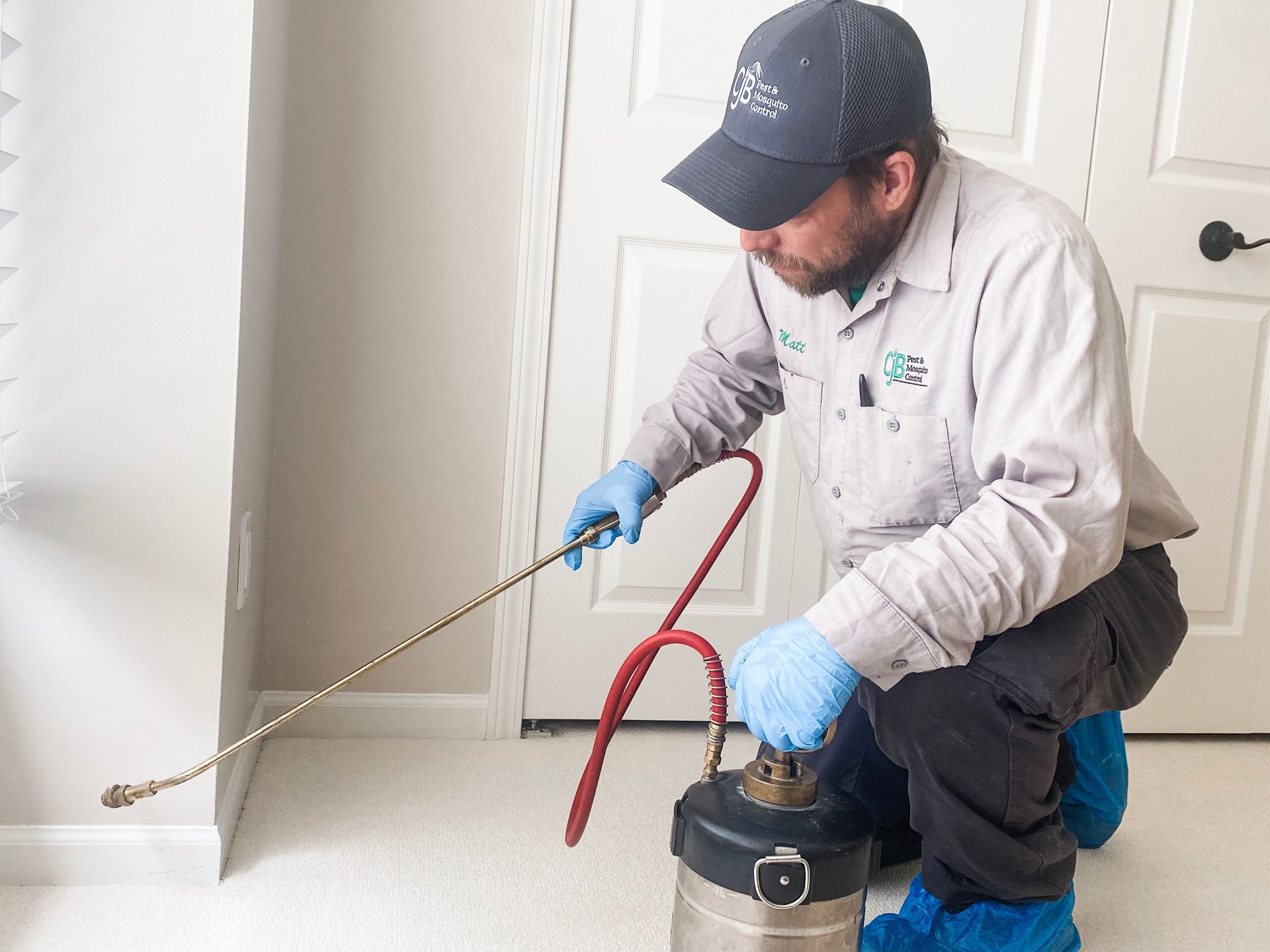
Professional mosquito control services begin by conducting thorough property inspections to identify these hidden water sources. Technicians evaluate outdoor areas systematically and recommend removing, emptying, or modifying containers that can collect water. When necessary, targeted treatments may be applied to prevent mosquito larvae from developing into adults.
Drainage Areas
Poor drainage is another major contributor to mosquito activity. Low spots in lawns, clogged gutters, storm drains, and areas with compacted soil often retain water after rainfall. These locations may appear dry on the surface while still holding enough moisture beneath vegetation to support mosquito development.
Gutters deserve particular attention because they frequently collect leaves, twigs, and debris that block proper water flow. When water pools inside clogged gutters, mosquitoes gain access to protected breeding areas that are difficult for homeowners to inspect regularly. Similarly, drainage ditches and landscape depressions can remain wet long after storms have passed.
Experts who provide mosquito control services understand how to identify drainage-related issues that support mosquito populations. In addition to applying appropriate treatments, they often recommend corrective measures such as improving drainage, cleaning gutters, and modifying landscaping features. These efforts help reduce future breeding opportunities and contribute to long-term mosquito management.
Industry trends demonstrate the growing importance of proactive mosquito management. According to Pest Management Professional, 35% of surveyed pest management professionals expect their mosquito management revenue to grow by at least 25% during 2026. This projection reflects increasing demand for effective solutions as property owners recognize the challenges associated with mosquito infestations.
Vegetation
Dense vegetation creates another hidden haven for mosquitoes. While mosquitoes require water for reproduction, adult mosquitoes spend much of their time resting in cool, shaded environments. Overgrown shrubs, tall grass, thick ground cover, and heavily wooded areas provide ideal shelter during hot daylight hours.
Many people focus exclusively on standing water while overlooking the importance of resting sites. Mosquitoes often remain hidden within vegetation before emerging during the evening to seek blood meals. As a result, properties with unmanaged landscaping can support substantial mosquito populations even when obvious breeding sites are limited.
Professional mosquito control services address both breeding and resting areas. Technicians may apply targeted treatments to vegetation where mosquitoes commonly congregate while also recommending trimming and maintenance practices that reduce favorable habitat conditions. By addressing these sheltered locations, mosquito populations can be reduced more effectively.
Vegetation management offers benefits beyond mosquito reduction. Proper pruning and maintenance improve airflow, increase sunlight penetration, and make outdoor areas less attractive to a variety of pests. These improvements contribute to a healthier and more enjoyable landscape overall.
In addition to routine trimming, moisture retention within dense plant beds can create micro-environments where mosquitoes persist longer than expected. Mulch layers, thick ivy, and shaded soil pockets can trap humidity and slow evaporation after rainfall. Addressing these conditions helps reduce hidden resting zones and strengthens overall property-level mosquito control efforts. Mosquito control services can also help reduce mosquito populations in these areas.
Structures
Numerous structural features around a property can unintentionally create mosquito breeding opportunities. Tarps, pool covers, corrugated drainage pipes, crawl spaces, unused fountains, and neglected outdoor equipment frequently collect water in ways that are difficult to detect. Because these areas are often hidden from view, they can remain untreated for extended periods.
Pool covers are a particularly common concern. While pools themselves are typically maintained with filtration and chemical treatment systems, water that accumulates on top of covers can become stagnant and support mosquito larvae. Similarly, tarps covering firewood, equipment, or construction materials often develop pockets that trap rainwater.
Another challenge involves structures that create damp environments rather than obvious standing water. Crawl spaces, utility areas, and shaded corners may retain moisture that attracts adult mosquitoes seeking shelter. These locations can contribute to ongoing mosquito activity even when breeding sites appear limited.
Professional mosquito control services use specialized knowledge to evaluate structural features that homeowners may overlook. Their inspections often reveal hidden sources of mosquito activity that would otherwise remain undetected. By treating and modifying these areas, professionals help interrupt mosquito life cycles and reduce future infestations.
Comprehensive inspections are especially valuable because mosquitoes rarely rely on a single breeding location. Instead, they utilize multiple water sources scattered throughout a property. Eliminating one site while ignoring others may produce only temporary results, making a systematic approach essential.
Long-term success depends on combining habitat modification, ongoing monitoring, and targeted mosquito control services. Mosquito populations can rebound quickly when favorable conditions return, particularly during periods of heavy rainfall or high humidity. Consistent management helps maintain control throughout the mosquito season and minimizes opportunities for reinfestation.
Mosquitoes often breed in places that property owners never consider, including containers, drainage areas, dense vegetation, and hidden structural features. Because many of these locations are difficult to identify without specialized knowledge, mosquito infestations can develop long before the problem becomes obvious. A proactive approach that targets both breeding and resting sites is essential for achieving meaningful and lasting results.
Professional
mosquito control services provide the expertise necessary to locate hidden mosquito habitats and implement effective solutions. By addressing overlooked breeding areas and reducing favorable environmental conditions, property owners can significantly decrease mosquito activity and enjoy their outdoor spaces with greater confidence.
At CJB Pest & Mosquito Control, we understand how challenging it can be to identify and eliminate hidden mosquito breeding sites. We use our experience, training, and proven strategies to help protect properties from persistent mosquito problems. Contact us today, and we will help create a more comfortable outdoor environment for your family, guests, or customers.