May 12, 2026
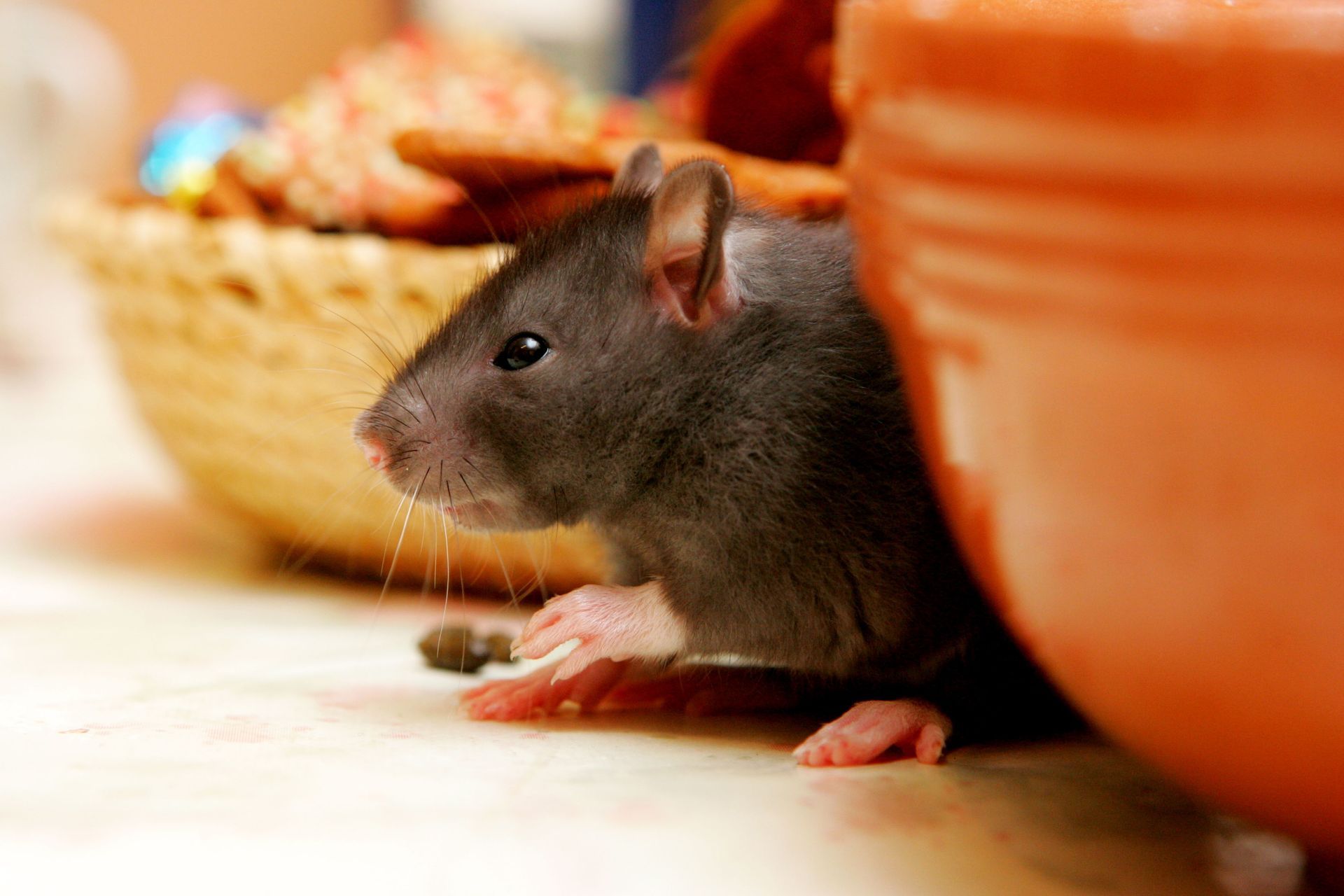
The arrival of cooler weather in Michigan often signals a shift in the behavior of local wildlife. While homeowners are busy raking leaves or prepping their gardens for winter, mice and rats are actively scouting for a cozy place to spend the season. Your home, with its regulated temperature and abundant food sources, represents the ultimate prize for a scavenging rodent. Unfortunately, their presence is far from harmless. Beyond the obvious hygiene concerns, these pests are notorious for causing extensive physical damage to residential and commercial structures. Implementing a strategy for rodent control isn't just about peace of mind; it's a critical component of property maintenance that protects your biggest financial investment from the ground up.
Understanding the Destructive Nature of Rodent Teeth
One of the primary reasons rodents cause so much damage is rooted in their basic biology. Mice and rats possess incisors that never stop growing. To keep these teeth at a manageable length and sharpness, they must gnaw on hard materials constantly. This biological drive means that nothing in your home is truly safe from their curiosity. They'll chew through wood, plastic, drywall, and even soft metals like aluminum or lead. When homeowners neglect professional rodent control, they often discover that small entry points have been widened into gaping holes, compromising the integrity of window frames, door sills, and floorboards. This relentless chewing behavior is the leading cause of structural degradation attributed to small pests.
Preventing the Serious Risk of Electrical Fires
Perhaps the most hidden and dangerous form of damage occurs behind your walls. Rodents are drawn to the plastic insulation surrounding electrical wiring. They find the texture ideal for grinding down their teeth, which leaves copper wires exposed. This creates a massive fire hazard, as the exposed wires can spark or overheat against wooden studs or insulation. Many unexplained house fires are eventually traced back to the gnawing habits of uninvited guests. By prioritizing rodent control, you're effectively safeguarding your family from a potential catastrophe. Professional exclusion ensures that these animals never get the chance to turn your home's electrical grid into a personal chew toy, keeping your circuitry intact and safe.
Protecting the Efficiency of Your Attic Insulation
Your attic is often the first place a rodent infestation takes hold because it's quiet and filled with soft materials. Mice and rats love to tunnel through fiberglass or cellulose insulation to create nesting sites. As they move through these materials, they compress the fibers, which significantly reduces the R-value of the insulation. This loss of thermal resistance means your heating and cooling systems have to work much harder, leading to higher energy bills. Furthermore, the nesting process involves the accumulation of urine and droppings, which ruins the material entirely. Effective rodent control prevents this costly destruction, ensuring that your home remains energy-efficient and that you don't have to face the massive expense of a full attic restoration.
Preserving the Integrity of Vital Plumbing Systems
In recent years, the building industry has moved toward using PEX and other plastic piping for residential plumbing. While these materials are durable and cost-effective, they're unfortunately vulnerable to the sharp teeth of rats and mice. A rodent looking for a water source or simply trying to clear a path through a wall can easily puncture a plastic pipe. These small leaks often go unnoticed for weeks, leading to mold growth, rotted wood, and ruined ceilings. By the time the leak is discovered, the structural damage is already extensive. Consistent rodent control measures include identifying these vulnerabilities and ensuring that rodents are discouraged from entering the wall voids where your plumbing resides.
Maintaining the Value of Your Interior Furnishings
The damage caused by rodents isn't limited to the structural elements of a building; it extends to your belongings as well. Heirloom furniture, expensive upholstery, and stored clothing are all at risk. Rodents will shred fabric and stuffing to create soft bedding for their young. Once a sofa or an antique chair has been contaminated with rodent waste, it's often impossible to fully clean or deodorize, leading to a total loss of the item. According to ConsumerAffairs, the U.S. pest control and extermination industry grew by 2.8% during a five-year window, highlighting a rising demand for residential property protection against invasive pests. Professional rodent control acts as a shield for your valuables, ensuring your interior decor remains pristine.
Defending the Health of Your Outdoor Landscapes
While we often focus on the interior of the home, rodents can wreak havoc on the exterior and landscaping as well. Certain species, like rats or voles, will burrow under concrete slabs, patios, and walkways. Over time, this tunneling can cause the ground to shift, leading to cracked foundations or uneven pavement. They also have a habit of gnawing on the bark of ornamental trees and shrubs, which can girdle and eventually kill expensive landscaping. A comprehensive approach to rodent control looks at the entire property, not just the four walls of the house. By managing the population in the yard, you reduce the pressure on your home’s perimeter and keep your outdoor living spaces structural and aesthetically sound.
Ensuring the Safety of Stored Food Supplies
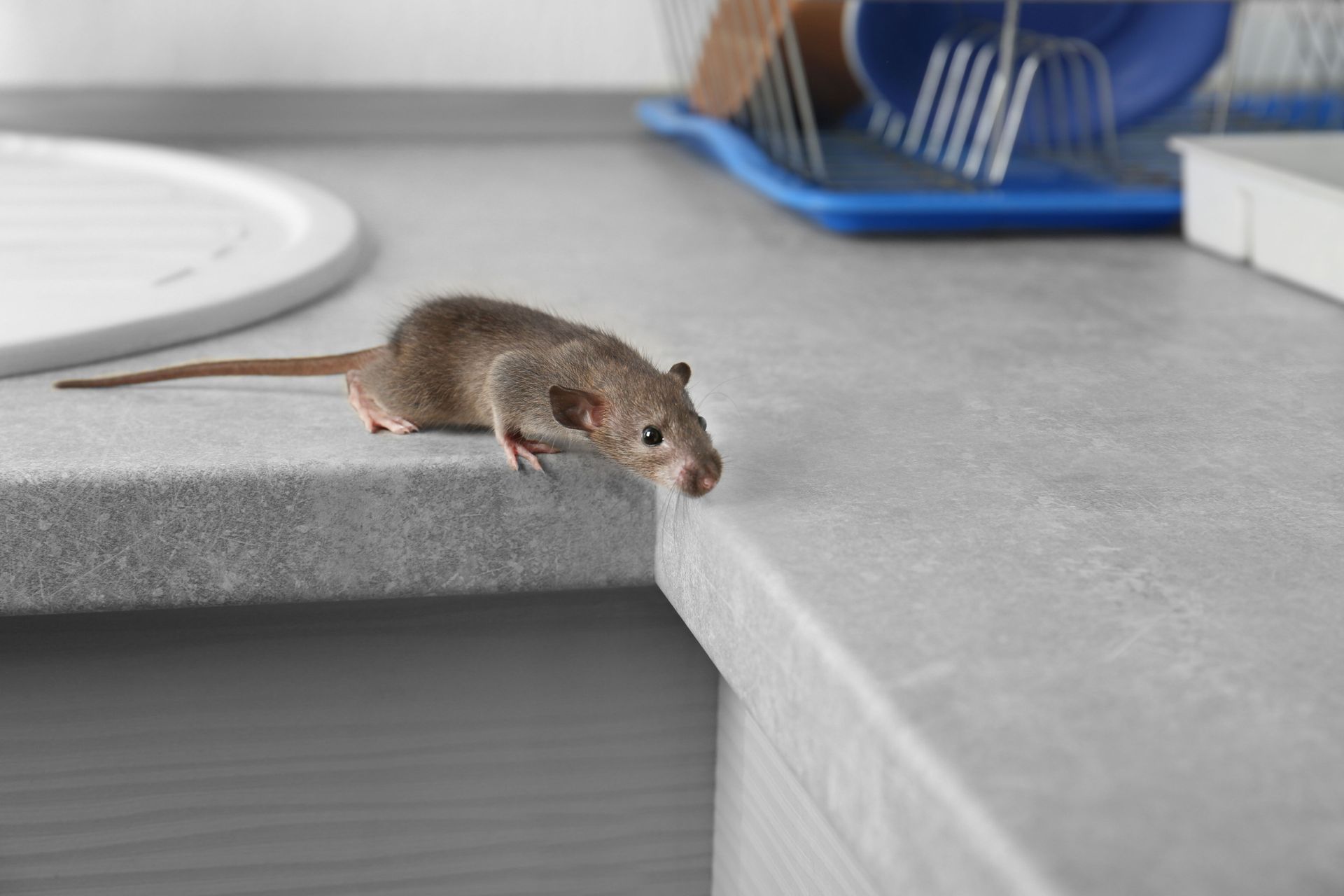
A rodent's primary motivation for entering a home is almost always food. Once they find their way into a pantry or kitchen cabinet, they can destroy hundreds of dollars worth of groceries in a single night. It isn't just what they eat; it's what they contaminate. A single mouse can leave behind thousands of droppings in a short period, and their urine can soak through cardboard packaging into the food itself. This level of contamination makes the food unsafe for human consumption. Without a dedicated rodent control plan, you may find yourself constantly throwing away food and replacing damaged containers. Professional intervention helps you secure your food storage areas and eliminates the attractants that bring these pests inside in the first place.
Securing the Long-Term Stability of Your Foundation
Structural damage can sometimes be subtle until it becomes a major crisis. When rodents find small cracks in a foundation, they utilize them as entry points. As they move in and out, they bring in moisture and debris, which can accelerate the weathering of the concrete. In some cases, rats can even burrow deep enough to interfere with the drainage systems around a basement, leading to water intrusion issues during heavy Michigan rains. The cost of foundation repair is astronomical compared to the cost of preventative maintenance. Engaging in proactive rodent control ensures that your foundation remains a solid, impenetrable barrier against the elements and the local wildlife, preserving the building's long-term stability and market value.
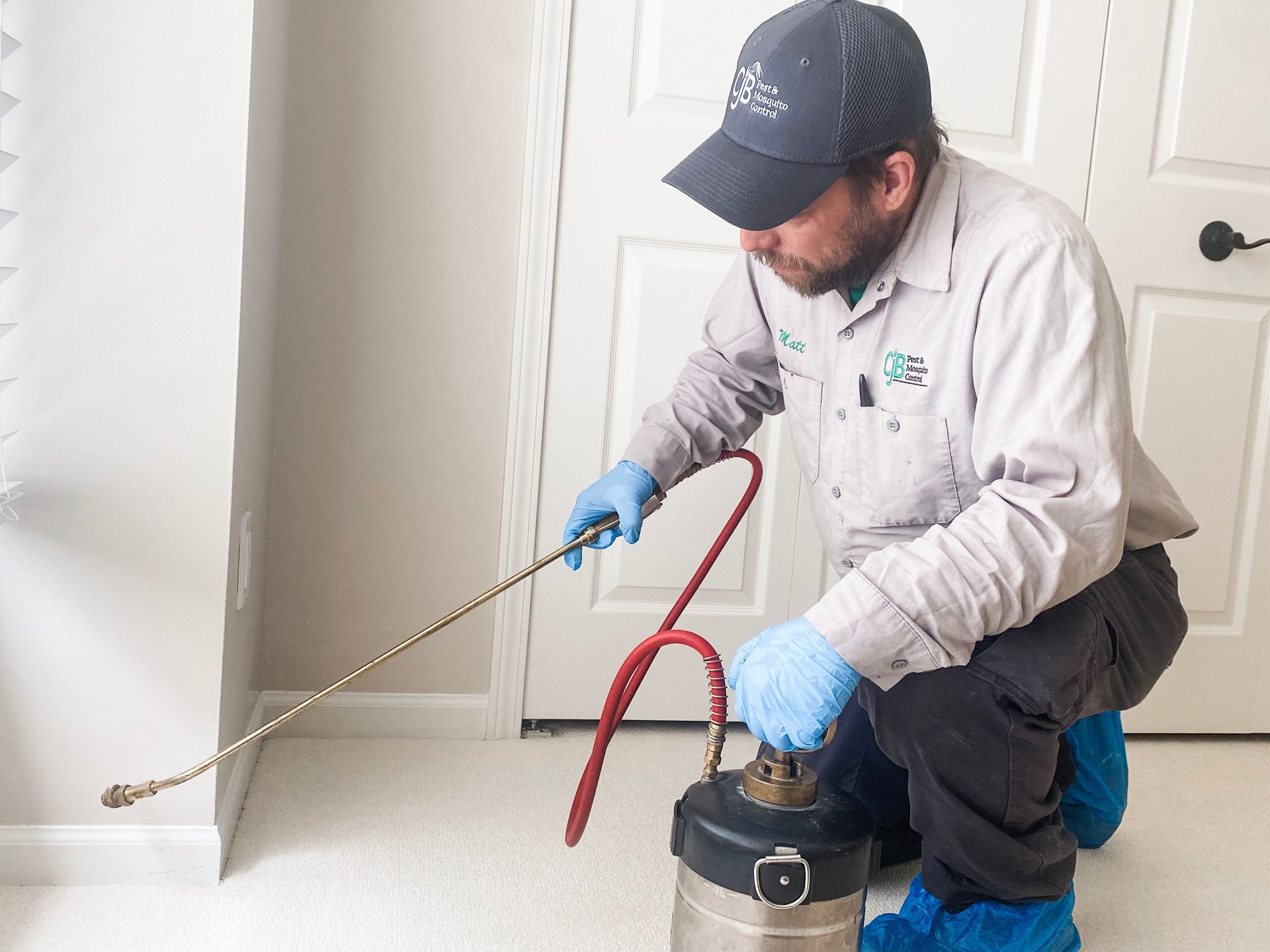
The presence of rodents is far more than a simple nuisance; it's a direct threat to the physical and financial health of your property. From the risk of electrical fires to the destruction of expensive insulation and the compromise of plumbing systems, the costs of an infestation add up quickly. Waiting until you see a mouse to take action is often too late, as much of the damage happens out of sight. A professional, systematic approach is the only way to ensure that your home is truly protected. By understanding the biological drives of these pests and the vulnerabilities of your property, you can take the necessary steps to keep your environment safe, dry, and structurally sound for years to come. Protect your home today by contacting CJB Pest & Mosquito Control.